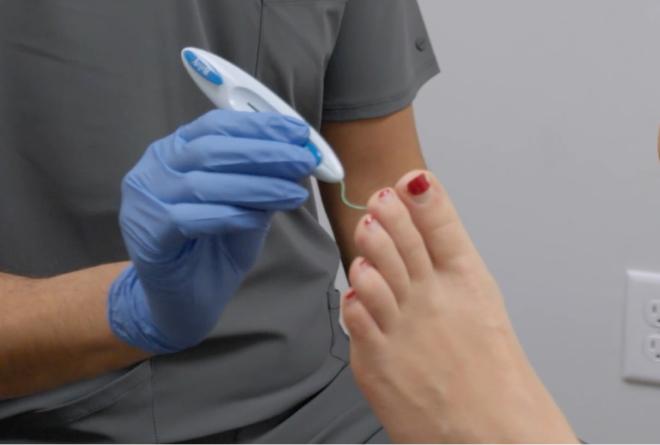
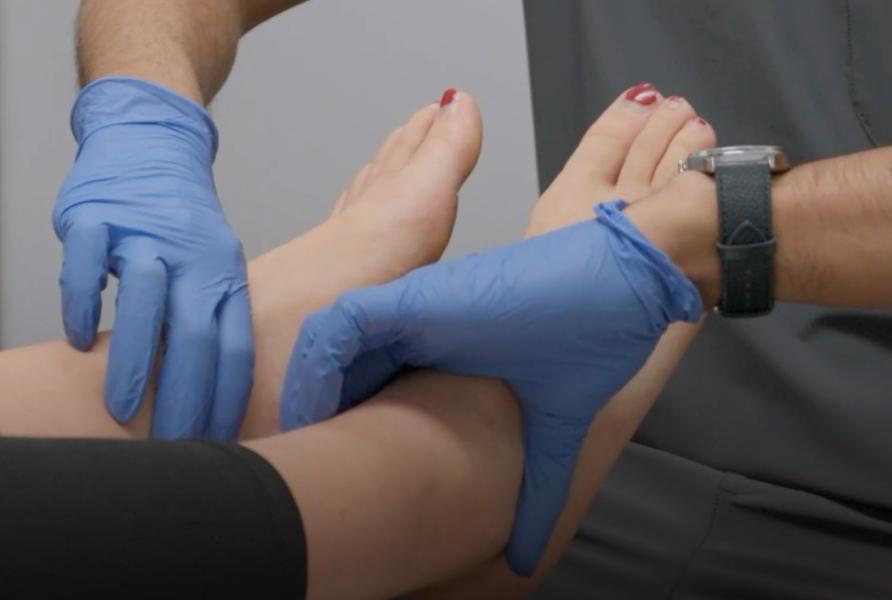
Preventive foot care is essential for people living with diabetes. Because of nerve damage (neuropathy) and poor circulation, even small foot issues can quickly escalate into serious infections or wounds. Regular monitoring and early intervention can significantly reduce the risk of complications - including ulceration and amputation.
Many diabetics have reduced ability to feel pain, pressure, or temperature. Without this feedback, cuts, blisters, ingrown nails, or areas of friction can go unnoticed and untreated. Routine care helps detect issues early and allows for timely treatment to prevent long-term damage.
Key practices include daily foot checks, proper hygiene, moisturizing dry skin, and wearing well-fitting shoes with supportive insoles. Avoid walking barefoot. Patients should schedule regular visits with a foot care professional for assessments, nail care, callus reduction, and education. Your specialist may also perform vascular and sensory testing to monitor for changes and identify risks before problems arise.