PTTD, also known as adult acquired flatfoot, occurs when the posterior tibial tendon - one of the primary supports of the foot’s arch - becomes weakened or damaged. As the tendon loses function, it can no longer hold up the arch properly, leading to a gradual flattening of the foot and changes in alignment.
The posterior tibial tendon is typically injured through overuse. Activities like walking, running, or standing for long periods can strain the tendon, especially in people with flat feet or poor biomechanics. Over time, the tendon may become inflamed, stretched, or even torn.
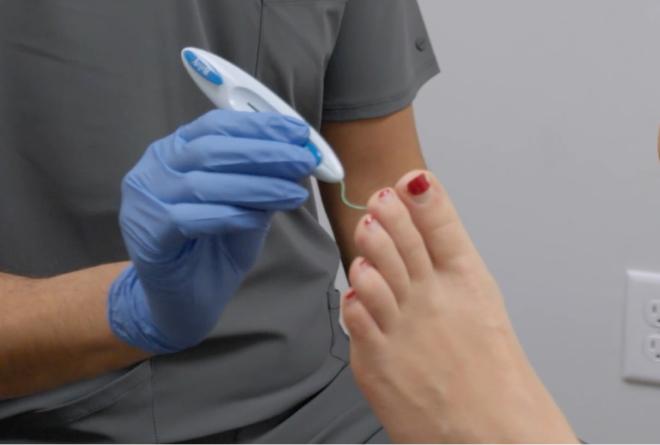
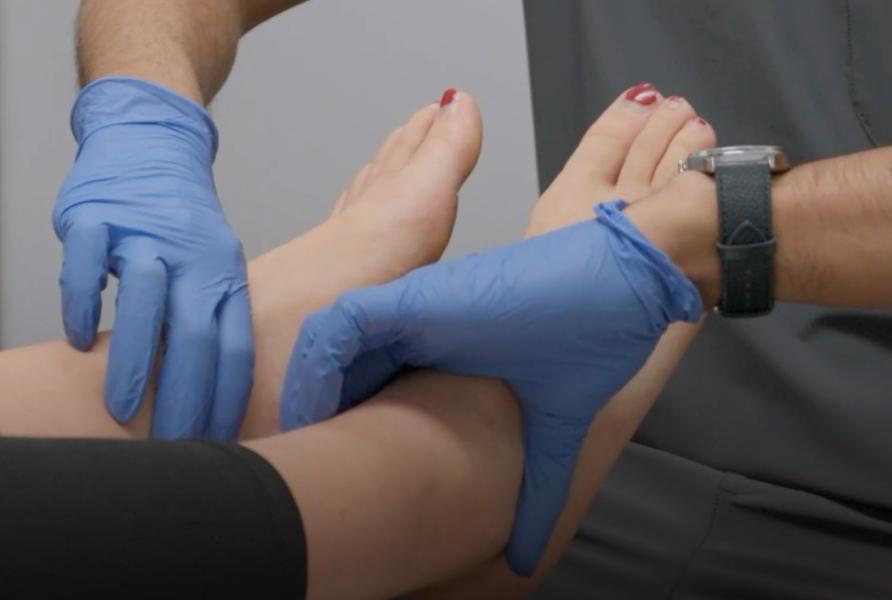
Common symptoms include pain and swelling along the inside of the ankle and arch, progressive flattening of the foot, and discomfort around or below the ankle joint. Your foot and ankle specialist will evaluate your muscle strength, foot structure, and symptoms in detail. X-rays are usually taken to assess joint alignment and the severity of the flatfoot. In some cases, an MRI may be ordered to evaluate the tendon itself.