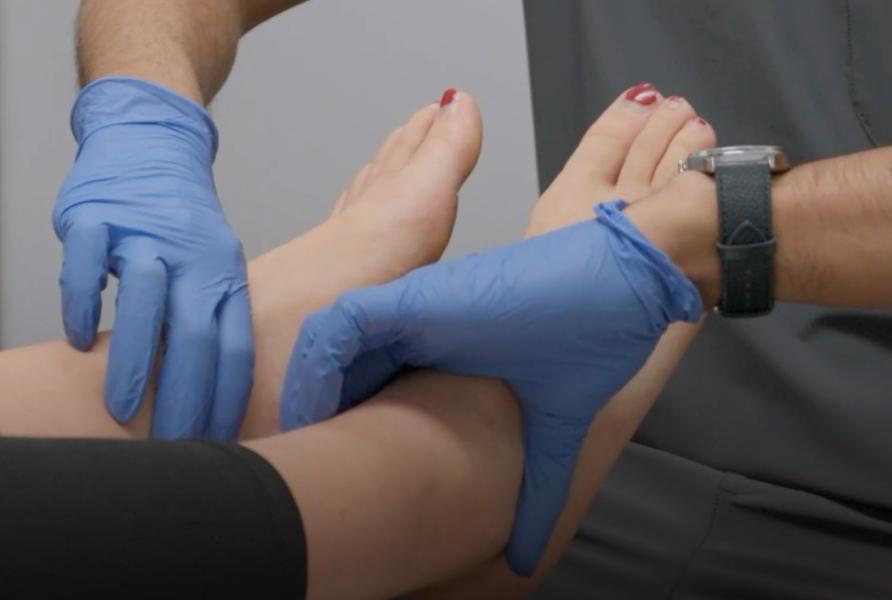
Peripheral neuropathy is a condition that affects the nerves in the feet and legs, leading to numbness, tingling, burning, or pain. In people with diabetes, prolonged high blood sugar levels can damage nerve fibers, reducing the ability to feel heat, cold, pressure, or injury. This loss of sensation increases the risk of foot ulcers and other complications.
The most common cause of peripheral neuropathy in North America is diabetes. Other contributing factors include alcohol use, vitamin deficiencies (especially B12), certain medications, infections, and underlying neurological or autoimmune conditions. Poor blood sugar control over time is a major risk factor in diabetic patients.
Symptoms often begin gradually and include numbness, burning, tingling, sharp pain, or a "pins and needles" sensation - typically in the toes or soles of the feet. Some patients also report sensitivity to touch or the feeling of wearing socks when barefoot. Your foot specialist will take a detailed history, perform neurological and vascular exams, and may recommend blood tests or nerve studies to assess severity and rule out other causes.