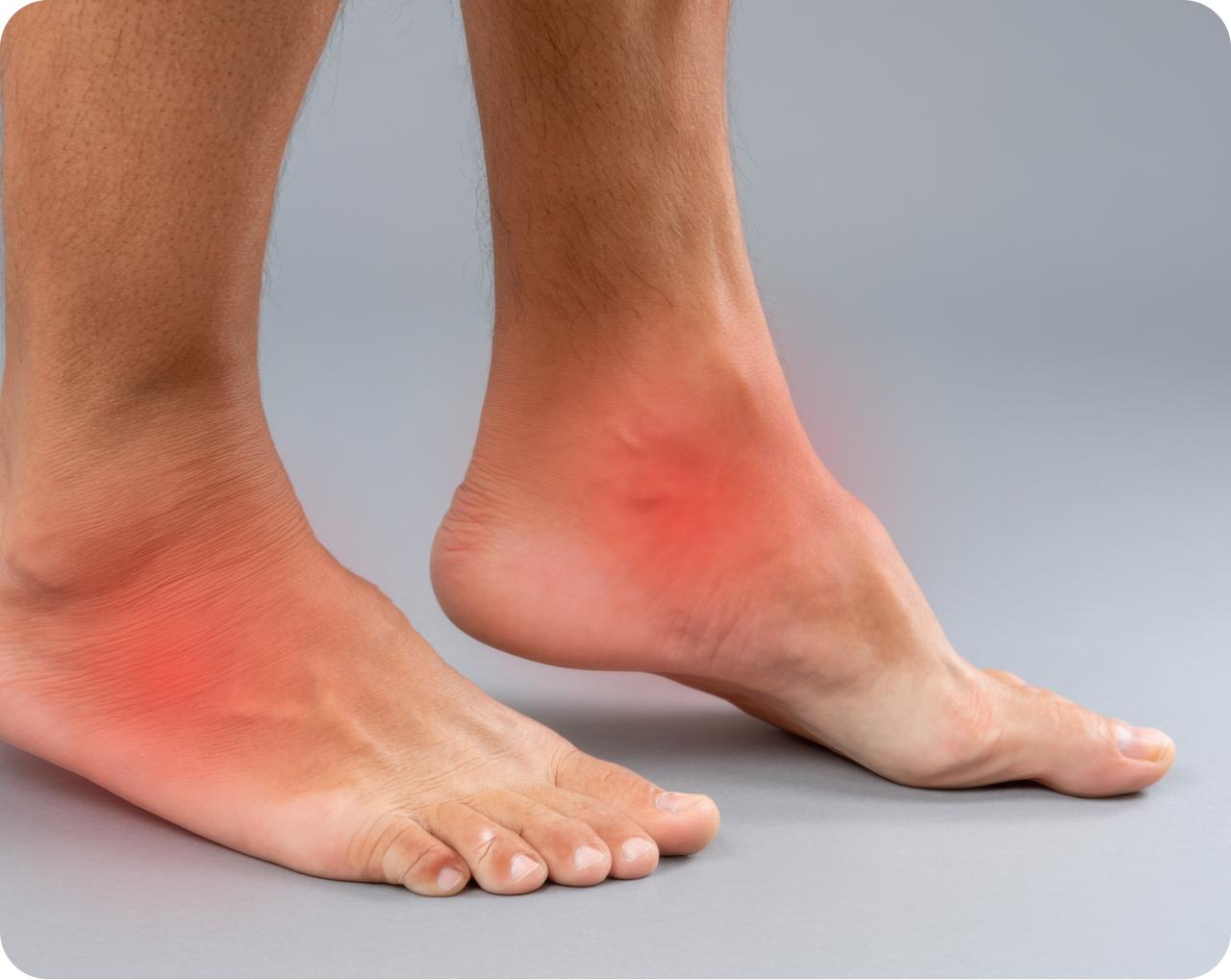
Peripheral artery disease is a condition where the arteries supplying blood to the legs and feet become narrowed or blocked due to plaque buildup. This reduced blood flow can impair healing, increase the risk of infection, and raise the likelihood of serious complications - especially in patients with diabetes.
PAD is commonly caused by atherosclerosis, a gradual hardening and narrowing of the arteries due to cholesterol and calcium deposits. Risk factors include diabetes, smoking, high blood pressure, high cholesterol, and advancing age. Poor circulation in the feet limits the body’s ability to fight infection and repair damaged tissue.
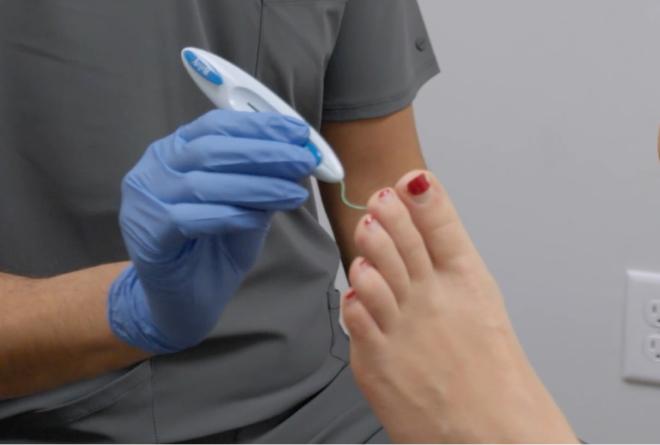
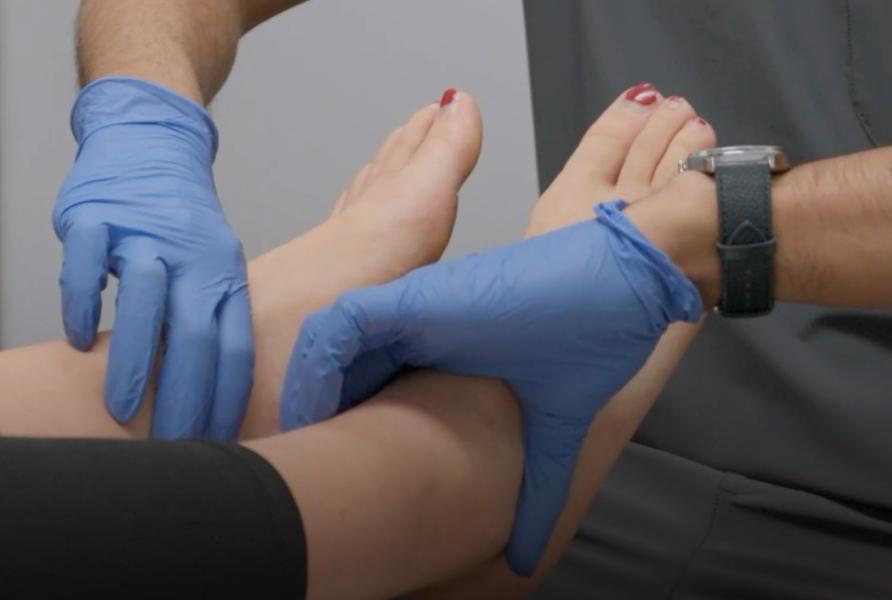
PAD may cause leg fatigue, cramping, or pain during walking - often relieved with rest (a symptom called claudication). In more advanced stages, patients may develop cold feet, poor nail growth, shiny skin, or non-healing wounds. Your foot specialist will evaluate your circulation with physical exams, palpation of pulses, and may use non-invasive vascular testing such as an ankle-brachial index (ABI), Doppler ultrasound, or refer for further vascular imaging if necessary.