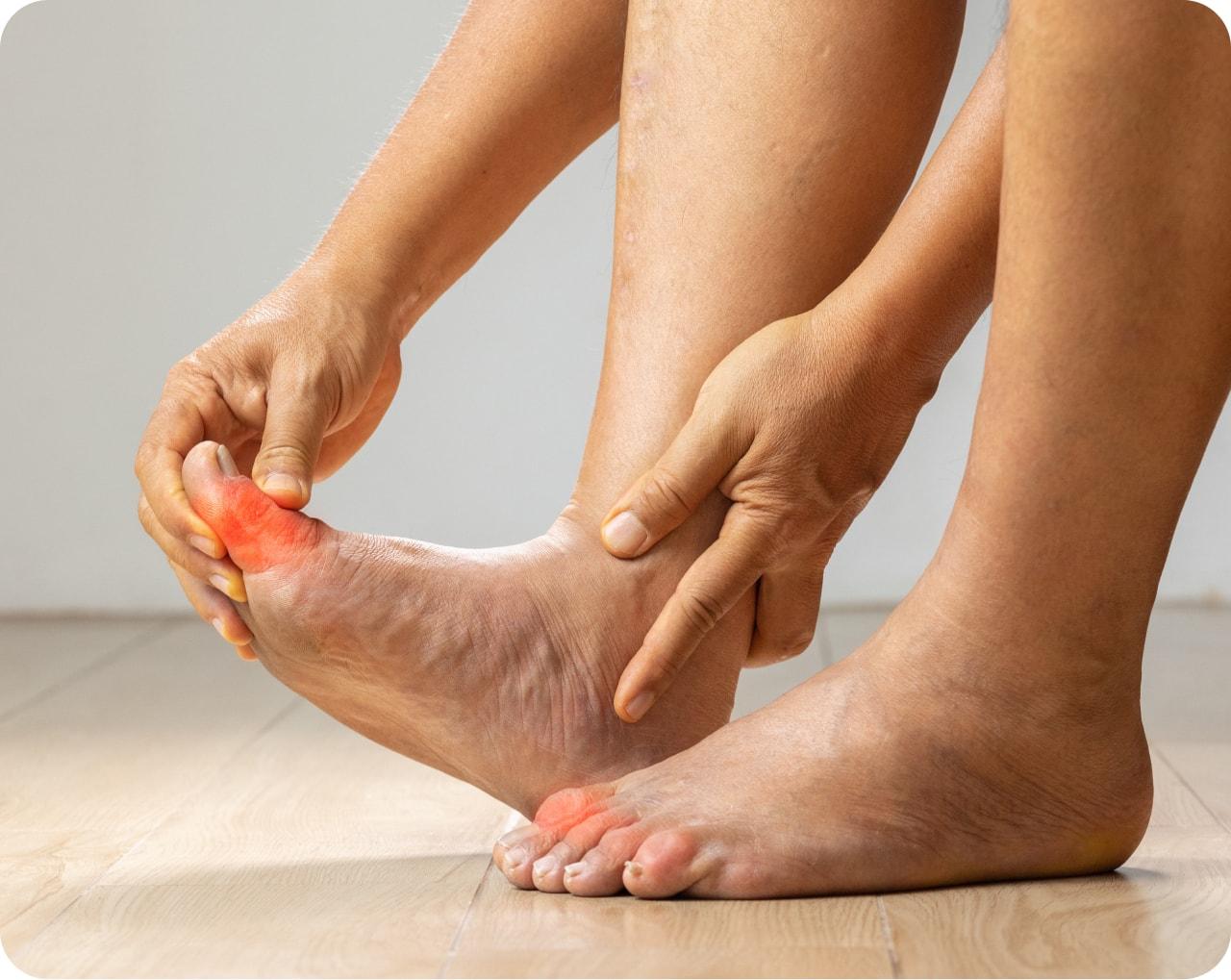
Gout is a painful form of inflammatory arthritis that commonly affects the feet, particularly the joint at the base of the big toe. It occurs when sharp, needle-like crystals of uric acid accumulate in the joint space, triggering intense inflammation. These crystals tend to collect in the coolest, most distant parts of the body - making the toes a prime target. While the big toe is most often involved, gout can also affect other joints in the foot and ankle.
Gout results from elevated levels of uric acid in the bloodstream, either due to the body producing too much or not excreting enough through the kidneys. Several risk factors contribute to this imbalance, including a family history of gout, obesity, high blood pressure, diabetes, recent surgery, certain medications, and alcohol consumption. Diet also plays a key role - foods high in purines, which break down into uric acid, can trigger flares. These include red meat, organ meats like liver or kidney, shellfish, and alcohol (especially beer).
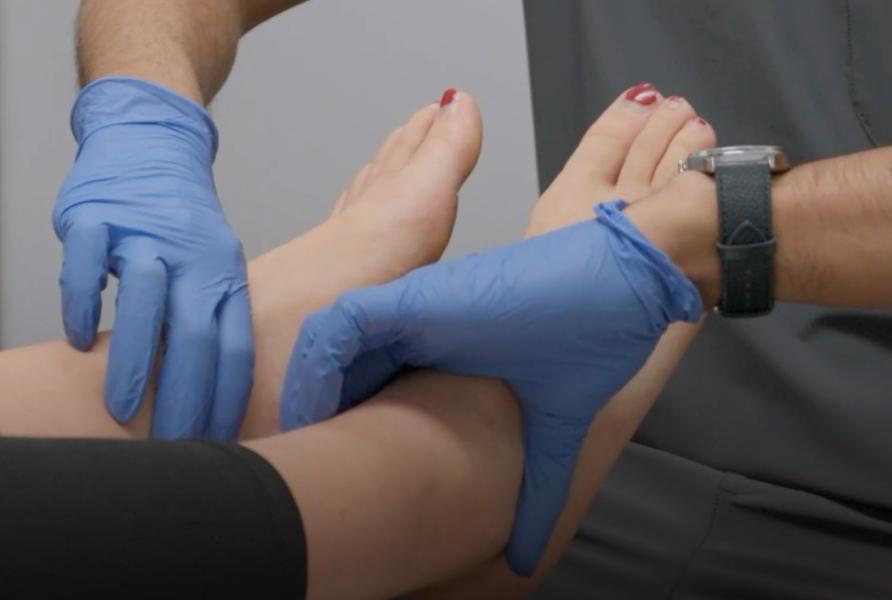
Gout attacks often come on suddenly and are marked by excruciating pain, swelling, warmth, and redness in the affected joint. Even the weight of a bedsheet can feel unbearable. To confirm a diagnosis, your foot specialist will review your medical history, examine the joint, and may order blood tests to assess uric acid levels. X-rays are sometimes used to rule out other conditions or assess long-term joint damage. Prompt treatment can help relieve pain and prevent future attacks.